
A Quick Chat With Tia Brittany
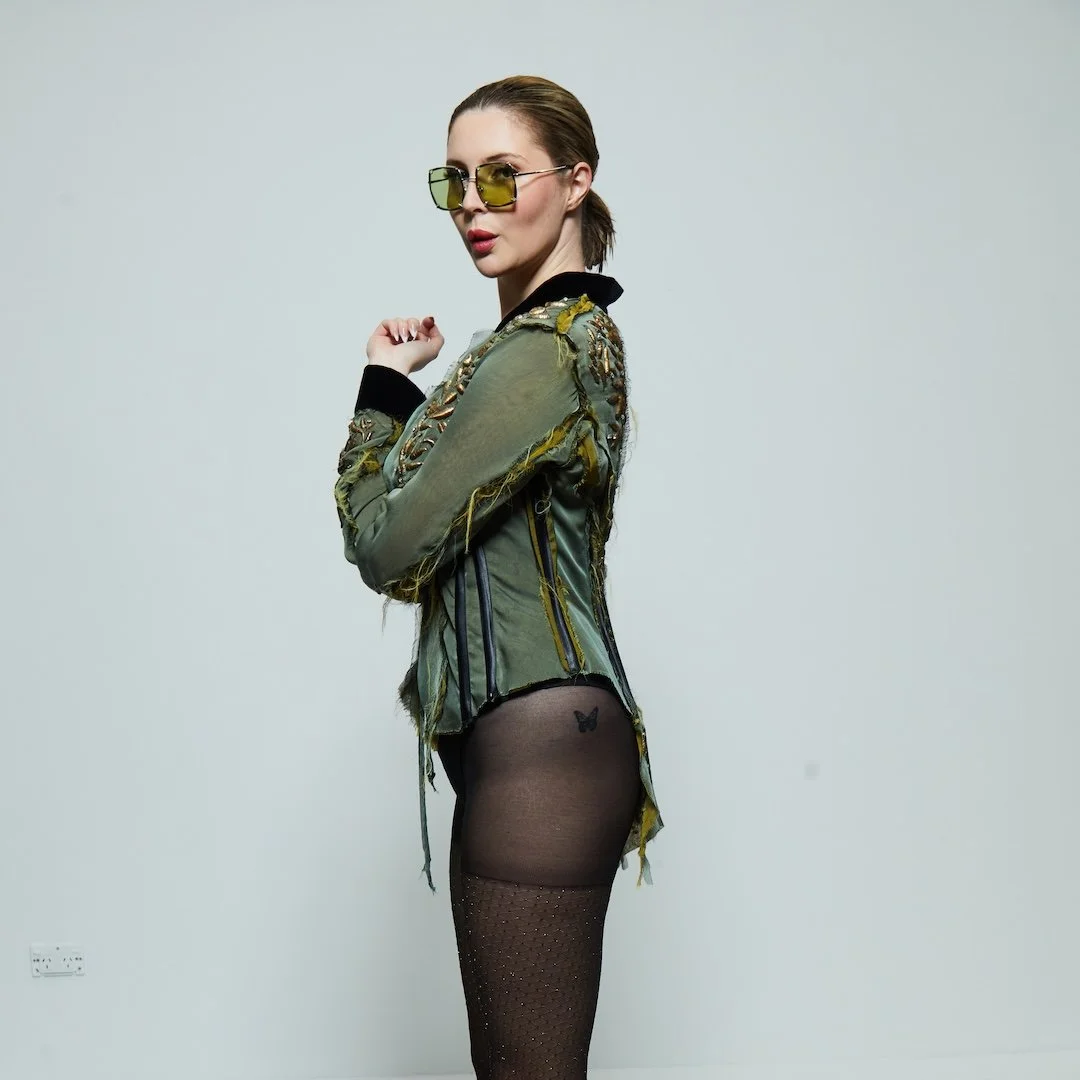
Can you tell us a bit about your background in music?
I’ve trained with a range of vocal coaches over the years, with my foundations really cemented during my final years of high school at the Australian Institute of Music (AIM). I now work with my coach Maria Timofeeva, focusing on classical operatic technique. Although I write and perform pop, that contrast is a significant part of my sound. This training gave me the confidence to step into the studio with someone like John Ho, who has worked with artists including Demi Lovato, and to push the emotional and sonic boundaries on DTF.
If you had to sum up your music in a few words, how would you describe it?
My music sits somewhere between confidence and chaos. DTF is pop heartbreak, big, messy, dance-floor energy for anyone who’s loved too fast, ignored red flags, and then found themselves thinking about it later. Growing up in Sydney’s dating scene, I think a lot of people will recognise that feeling more than the traditional idea of romance really allows for.
What was the original spark or idea behind the track, and how did it evolve into what we hear today?
It started with the feeling of being interested in someone but also knowing it probably is not the best idea to go too deep into it, where your head and your emotions are not really on the same page. From there it turned into more of an internal back and forth about trying to stay in control while everything else is pulling in the opposite direction. Over time, it just grew into something bigger, more energetic, and a lot more dynamic than the original idea.
What inspired the music video for DTF?
The idea for the music video was to take that emotional push and pull and turn it into something visual by putting it on stage and really amplifying it. The idea of having different versions of yourself reacting differently to the same situation felt like an honest way to show what is going on internally. Working with director and producer Pauline Chan and director and writer Daniel Green, we filmed at the Red Rattler Theatre, and it naturally grew into something more theatrical and layered as we went.
As an emerging Sydney artist, how has your environment and the local music scene influenced your sound and the way you approach releasing music?
Sydney has always been a really dynamic place, with a strong and diverse creative community. At the same time, it does push you to be intentional about carving out your own space. That has made me more deliberate with my creative decisions and more confident in taking an independent approach. Being surrounded by so much talent also keeps me motivated to keep refining and evolving my work.
The track feels both vulnerable and self-protective at the same time. What do you hope listeners take away from it emotionally?
I hope people recognise that it is okay to feel two things at once, like missing someone while also knowing they are not right for you. More than anything, I hope it shows that you do not have to stay stuck in that space, and that you can move through it and eventually feel a sense of freedom from it.
Do you have plans for new music soon?
Yeah, I do. I’m currently working on a new album that’s starting to take shape, and it’s definitely leaning into a darker tone and theme. It’s been a really interesting shift creatively, and I’m looking forward to seeing where it goes.
What are you hoping listeners take away from your work in the future?
I hope my work feels honest enough for listeners to see their own experiences reflected in it. If someone hears a song and feels understood, or feels that they have moved through a similar experience, then that is the most meaningful outcome for me.