
A Quick Chat with Skyelen
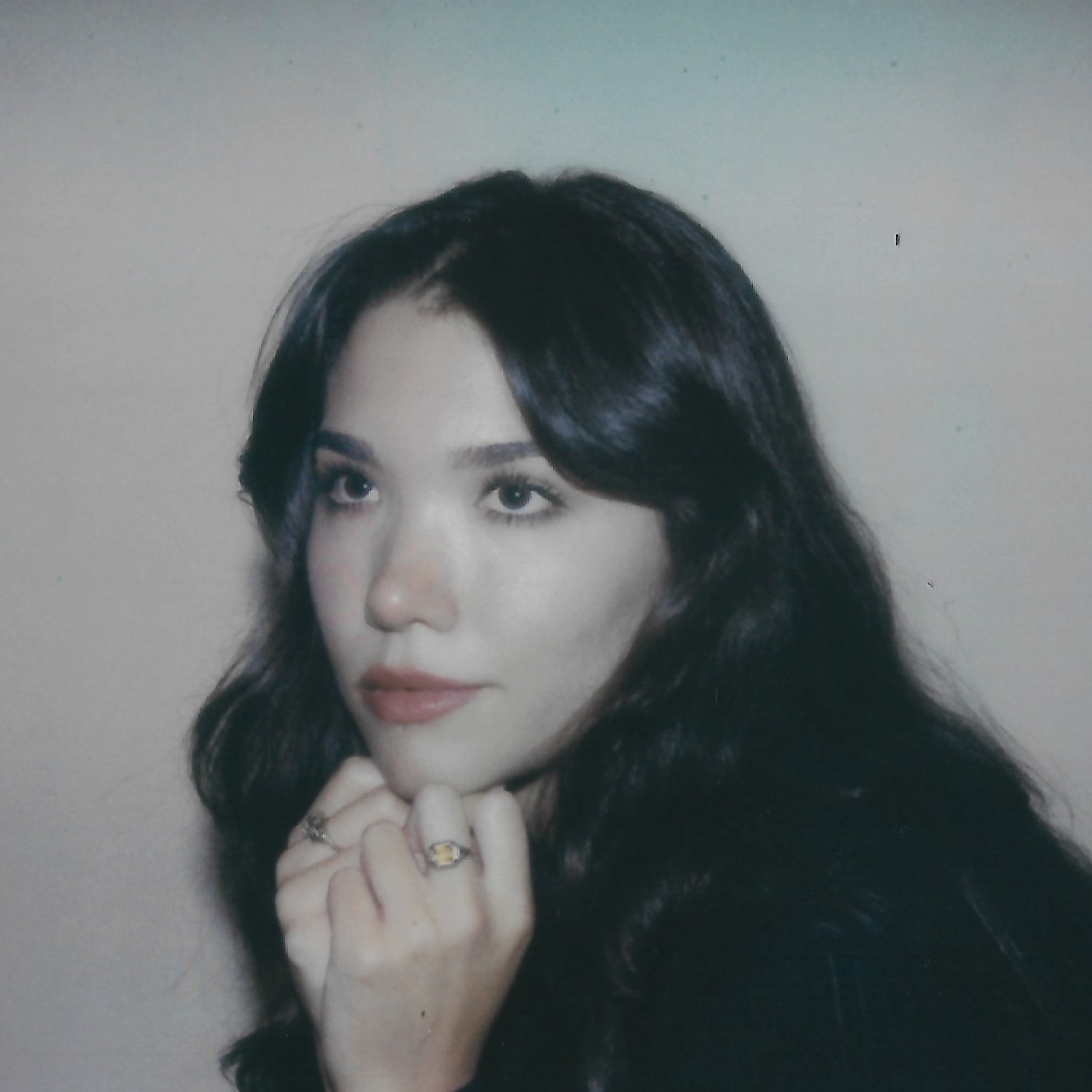
Eye of Skye feels like a very immersive record. What was the starting point for the album?
I think the earliest starting point was teaching myself how to record and layer sounds. “Eye of Skye” was actually one of the first songs I ever wrote, and the very first solo song I brought into Logic from Garageband. Before that, I had mostly written at the piano and played in jazz groups, not recording much more than videos, so being able to create entire songs from my bedroom opened up so many ideas. These songs were collecting for years in scratch recordings and notebooks alongside my collaborative work, and eventually I chose which ones felt like they belonged together. I wanted my first solo record to feel like it’s own little world, with lots of vocal harmonies. Ever since I was a child, vocal harmonies in music stood out to me more than anything else in a song.
A lot of the songs began as poems. How does a lyric usually become a song for you?
Lyrics and melodies are currently inseparable to me. While writing poems usually there’s a melody or chord underneath it in my head as I’m writing it. I’ve held back from releasing much poetry on its own because in the back of my mind I’m thinking, what if it’s supposed to be a song? I actually call my songs poems sometimes because I like letting the words move at their own pace, I don’t want a strict beat or metronome telling them where to land exactly. Sometimes I’d rather surrender to the floating feeling, even if it makes the song a bit harder to define.
There’s a strong sense of nature and the unknown throughout the album. What draws you to those themes?
Nature has always felt spiritual to me. I tend to notice animals and small coincidences when I’m at a crossroads, like a white butterfly appearing while I’m thinking of a decision, or a murder of crows passing overhead before something important. Whether or not they’re actually signs isn’t something I agonize over, but noticing them makes life feel more magical. Animals especially appear throughout my lyrics because I’m fascinated by their symbolism and the mystery of experiencing the world through completely different eyes. I’m also drawn to dualities found in nature such as life and death and the visible and invisible for example.
You describe the record as living somewhere between dream and reality. Did that feeling influence the way you approached the production and arrangements?
Definitely. I wanted the record to be more like a feeling than something super calculated. At one point, I barely listened to other music for about a month, because I was curious what would happen if I gave myself enough silence to hear what I actually wanted to make without being overly influenced by anything. I think as children we’re taught so many ideas about what we’re supposed to like that it can become quite difficult to tell what’s genuinely ours when we grow up. I believe making this album was a way of returning to these instincts, and I’d let things be imperfect or unresolved if it felt right. In that sense, the dreamlike quality came from trying not to wake myself up from this dream I was creating.
You also perform with the ten-piece band Solgyres. How different is making music as a solo artist?
They’re two very different kinds of surrender. With Solgyres, I can bring in a song and then let ten different musicians leave their influences on it. Learning when to hold onto an idea and when to let someone else transform it has taught me a lot. With my solo songs, the surrender is more internal, like I can go along with an instinct as far as I want without caring if it will make sense live. I’ve always been more of a songwriter. When I first started writing for Solgyres, I’d make these complicated vocal parts without even considering that I’d eventually have to perform them or teach them to other people. I was just having fun writing from my bedroom at 1 in the morning, or the basement collaborating with my brother. Playing those songs live with a band became something new to me and I’m really grateful for what it taught me.
If someone is hearing Eye of Skye for the first time, how would you like them to experience it?
I wrote so much of it alone that I think the first listen should be alone too. I can imagine somewhere quiet at night, without wondering what somebody else thinks of it just yet. The album is about discovering the parts of yourself beyond other people’s and society's expectations, and I would want the listener to have that same freedom with it. It isn’t meant to be for everyone, and I actually like that. I’d rather it mean something deeply to those who find themselves in it.